

It is widely known that your brakes are the most important safety system in your vehicle, responsible for producing the required friction to bring you to a controlled stop. So when you hit the brakes and notice unusual vibrations throughout your chassis, it can be disconcerting knowing this critical system is experiencing issues.
In this article, we’ll go over how the brake system operates, why these vibrations may occur, and how to protect your brakes and prevent these symptoms down the road.
How Do Brakes Work?
To best understand what causes brake vibrations, it’s a good idea to have a general overview of these brake systems and their components.
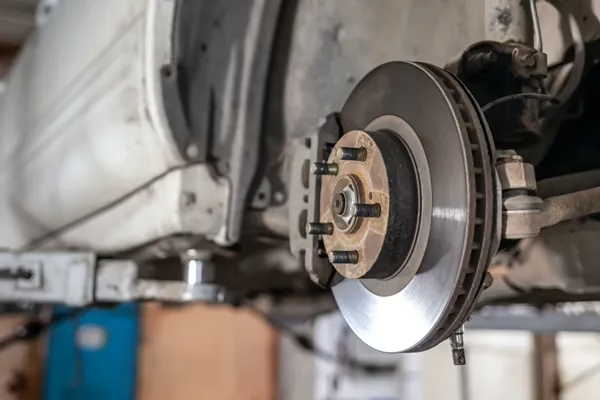
Most modern vehicles employ a disc brake system, which consists of a large metal rotor, a hydraulic caliper, and an abrasive brake pad on each of the vehicle’s wheels. When you hit the brakes, this pressure is transferred either electrically or hydraulically to the brake calipers, which extend the pads against the rotors with immense pressure, producing friction to slow down the rotation of each wheel.
Why Are My Brakes Causing Vibrations?
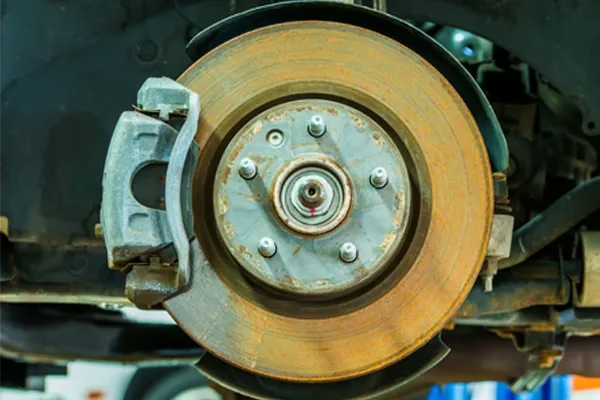
Vibrations or shaking felt while braking are among the most common signs of warped rotors. The repeated friction generated during braking creates heat buildup in the metal rotors, which can sometimes cause them to warp or become slightly deformed. Even if the rotor’s surface appears to be in good condition, a warped rotor causes the brake pads to “hop” along the uneven surface, resulting in noticeable vibrations.
These rapid impacts of the pad against the rotor can cause the vibrations you feel throughout the vehicle while braking.
Can I Drive With Warped Rotors?
It’s generally not a good idea to drive around with warped rotors, as the reduced surface area for friction may lead to reduced braking performance, unpredictable braking force, increased wear of other components, and even the complete failure of the rotor in severe cases.
If you suspect your brake rotors are warped, it’s crucial that you have your brake system inspected and repaired as soon as possible to avoid potential brake failures and unsafe circumstances down the line.
How to Prevent Warped Rotors
There are a few steps you can take to protect your brake rotors from deteriorating. It’s important to follow good braking habits when driving, including slowing down gradually to avoid putting excess strain and heat on the rotors, as overheating is the primary cause of warped rotors.
Keeping up with your brake maintenance schedule is also a big part of keeping your brake rotors healthy. Having your brake fluid replaced will ensure your brake calipers, and by extension the pads and rotors, will always receive the proper pressure for safe braking.
While rotors are built to last, it’s a good idea to have yours swapped out along with the pads between every 35,000-60,000 miles. The exact interval will vary based on the type of brake components, driving habits, and the surrounding weather conditions.
Brake Service in Carlsbad, CA
Proper brake maintenance is crucial for avoiding issues in your most important safety system. So when it’s time to replace your brake fluid or pads and rotors, take it to the brake experts at Carlsbad Auto Service; our technicians will take care of you and ensure that your vehicle is safe and comfortable to drive!
If you suspect issues with your vehicle’s braking system, trust your vehicle to the brake experts at Carlsbad Auto Service! Our expert technicians have years of experience working with your vehicle’s most important safety system, whether it’s a brake fluid flush or a pad or rotor replacement