

Cooling Service in Carlsbad
Radiator & Cooling Service Near Me
Your car’s cooling system is responsible for keeping your vehicle’s mechanic components at a healthy temperature. Without this cooling, your vehicle would rapidly overheat. An excess of temperature in your engine and transmission will cause permanent and catastrophic damage.
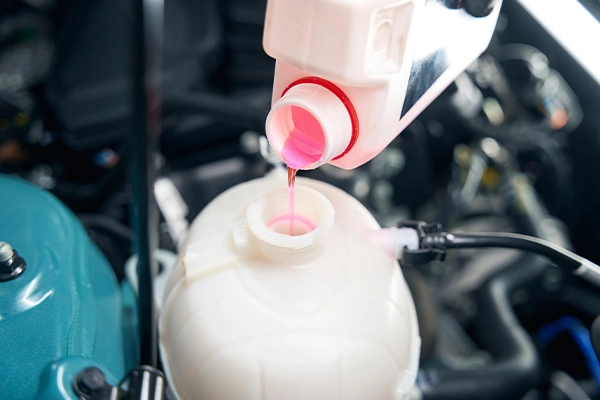
Maintaining this system is vital to the longevity of your vehicle. Your vehicle is designed to operate in a wide range of ambient temperatures, from sub-zero to well over triple digits. When any component of the system fails, the car will be unable to regulate its temperature.
Some common issues in the cooling system include:
Worn or faulty radiator
Leaking coolant
Broken cooling fan
Dirty/burnt coolant
Faulty thermostat
If you’re experiencing overheating in your vehicle, it’s important to have it inspected at a trusted service facility immediately. An overheating problem is not something you want to let linger, as allowing the problem to get worse will lead to potentially permanent damage and a more expensive repair.
Luckily, the expert technicians at Carlsbad Auto Service have you covered. Our team has years of experience working on all types of cooling systems and can pinpoint and repair your problem effectively and efficiently. We do things right the first time, so call or schedule online with us today!
Radiator & Cooling FAQs
What Should I Do If My Car Is Overheating?
If you notice the temperature gauge in your car climbing toward the red, or get a coolant warning light on the dash, pull over immediately and call a tow truck. Extended overheating can cause permanent damage to your engine.
Why Is There White Smoke Coming from My Exhaust?
White smoke from the tailpipe is typically a sign that your engine is burning coolant internally. This is almost always a sign of a major problem like a blown head gasket or cracked engine block or cylinder.
Is It Safe to Drive with Low Coolant?
Driving with low coolant is not a good idea. Operating your engine without the correct amount of coolant puts added stress on the system, since it will struggle to maintain proper operating temperature.
What Causes a Car to Overheat?
A vehicle can overheat for several reasons, including low coolant levels, radiator leaks, a failing water pump, a stuck thermostat, cooling fan failure, or internal engine problems. If your engine temperature gauge rises above normal, have the cooling system inspected promptly. Continued overheating can cause serious engine damage and expensive repairs.
What Should I Do If My Car Is Overheating?
If your temperature gauge moves into the red zone or you see an overheating warning light, safely pull over and shut off the engine as soon as possible. Continuing to drive an overheating vehicle can cause severe engine damage. Allow the engine to cool completely before checking coolant levels, and contact a professional if the cause is not obvious.
Why Is There White Smoke Coming from My Exhaust?
White smoke from the tailpipe is typically a sign that your engine is burning coolant internally. This is almost always a sign of a major problem like a blown head gasket or cracked engine block or cylinder head.
Is It Safe to Drive with Low Coolant?
No. Driving with low coolant can cause your engine to overheat and may result in serious engine damage. Coolant helps regulate engine temperature and prevent corrosion inside the cooling system. If coolant levels are low, the leak or underlying problem should be diagnosed as soon as possible.
How Often Should Coolant Be Replaced?
Most manufacturers recommend replacing coolant every 30,000 to 60,000 miles depending on the vehicle and coolant type. Following the manufacturer’s maintenance schedule helps prevent corrosion, overheating, and premature cooling system failures.
What Does a Failing Water Pump Sound Like?
A failing water pump may produce a whining, grinding, or squealing noise from the front of the engine. You may also notice coolant leaks, overheating, or steam coming from under the hood.
What Are the Signs of a Failing Radiator?
Common symptoms include coolant leaks, overheating, rust or corrosion on or in the radiator, low coolant levels, and visible damage to the radiator fins or tanks.
Is Coolant the Same as Antifreeze?
Not exactly. Antifreeze is the concentrated fluid, while coolant is typically a mixture of antifreeze and water. Using the correct coolant type specified by your vehicle manufacturer is important for proper system protection. “Antifreeze” is a misleading term. Coolant can freeze regardless of what recipe the manufacturer uses. In extreme cold temperatures coolant will freeze. It is common for vehicles to have “block heaters” to warm up coolant before an engine is started.
Can Low Coolant Affect Gas Mileage?
Yes. Low coolant can prevent the engine from maintaining its ideal operating temperature, which may reduce fuel efficiency and overall performance. In some cases, it can also trigger warning lights or cause the engine to run poorly. Many sensors, valves & solenoids rely on proper engine temperature to work correctly. Improper engine temperatures can drastically affect engine performance.